
Cobb Voice Exclusive
When social media screenshots began circulating showing Cobb County school employees posting celebratory, or at least deeply insensitive, reactions after the Sept. 10 assassination of conservative activist Charlie Kirk, the local fallout was fast and public: the Cobb County School District placed multiple employees on administrative leave, and two staffers are no longer employed by the district.
Superintendent Chris Ragsdale told reporters the posts “created disruption and left parents questioning whether their children were safe at school,” and emphasized the district’s social-media and professional-conduct rules are being enforced while investigations proceed.
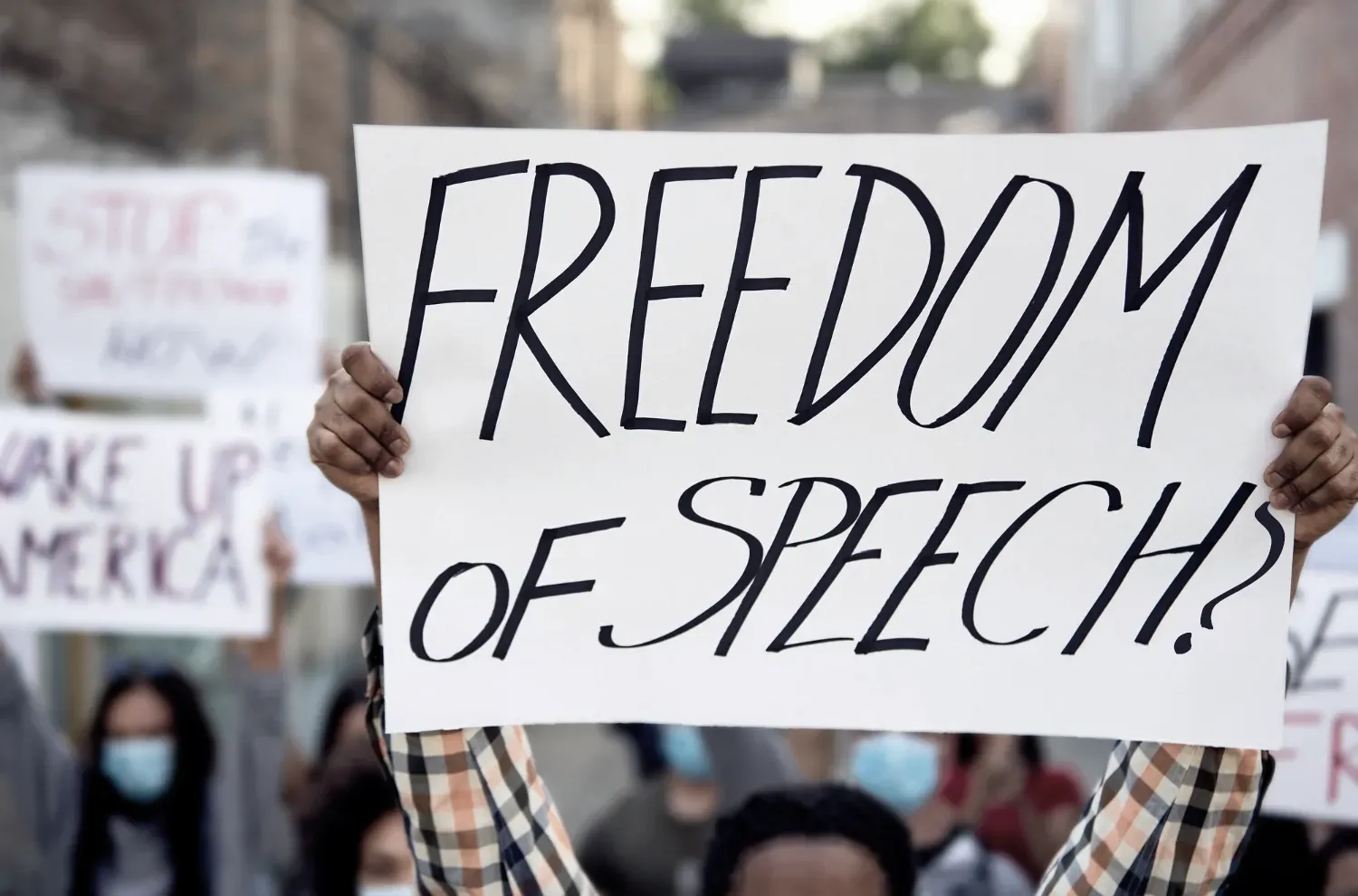
At the same time, the discipline has drawn vocal local and national defenders for the employees, and a broader fight over where free speech ends and professional responsibility begins.
Related Article: Cobb Superintendent Ragsdale: District “Will Not Be Moved” on Teacher Professionalism Standards
Who’s Stepped up to Defend the Cobb Employees?
- The Georgia NAACP publicly said it is standing behind the teachers, arguing their comments are protected by the First Amendment and warning against a political climate that “punishes people for speech that doesn’t amount to hate speech.” NAACP leaders asked for calmer rhetoric and for both sides to seek constructive dialogue.
- Civil-liberties organizations including state ACLU affiliates have also intervened in other cases across the country, condemning harassment and urging that government-driven intimidation of public employees be resisted even as they say political violence must be rejected. Several ACLU chapters have issued statements cautioning against campaigns that single out teachers for their personal social-media posts.
National Groups and a Wave of Litigation
The Cobb episode is one local strand of a national pattern. School districts and universities from coast to coast have disciplined or fired employees for social-media commentary about Kirk’s death; in several instances the educators have filed federal lawsuits claiming First Amendment violations.
Civil-liberties groups (including the ACLU in multiple states) have publicly criticized what they call organized campaigns of harassment and pressure aimed at teachers and professors. Those organizations argue that, depending on context, private social-media speech by employees may remain protected.
Reporters and organizations documenting the national pattern include Education Week, ABC News and numerous local outlets showing how the issue has spread beyond one district.
What the Law Actually Says
Public-employee speech is governed by several Supreme Court precedents that create a balancing act, employees have First Amendment rights as private citizens, but the government (including school districts) can restrict speech when it conflicts with the employer’s need to run effective public services.
Cobb Voice legal advisor reminds readers to keep the following key cases in mind:
- Pickering v. Board of Education (1968), the Court protected a public-school teacher who wrote a newspaper letter critical of his school board, ruling that dismissal violated his First Amendment rights because the speech addressed matters of public concern and the Board had not shown the speech disrupted school operations.
- Connick v. Myers (1983), introduced the “public concern” test and emphasized balancing the employee’s interest in commenting on matters of public importance against the employer’s interest in promoting efficient public service. If speech is not a matter of public concern, it’s much less likely to receive constitutional protection.
- Garcetti v. Ceballos (2006), held that when public employees speak pursuant to their official duties, that speech is not protected by the First Amendment; the ruling left open more complicated questions about teaching and scholarship but tightened government employers’ ability to discipline speech tied to job duties.
Applied to Cobb: those precedents mean the district will be weighing whether the posts were (a) private speech on matters of public concern, (b) speech made as part of, or touching, official duties, and (c) sufficiently disruptive to the schools.
The district’s own statement explicitly framed certain posts as “unprofessional and disruptive to the school environment,” and said it would notify the Georgia Professional Standards Commission where appropriate. That phrasing is consistent with the legal tests courts use when upholding discipline
Public Opinion and the Reputation Argument
Two arguments have been front and center in local discussions: (1) that teachers enjoy First Amendment protections when speaking as private citizens, and (2) that teachers occupy a special, trust-bearing role in the community that justifies discipline when speech undermines safety, trust or the school system’s reputation.
Recent polling shows many voters side with employers when the speech involves celebrating an assassination or otherwise glorifying political violence. Nationwide polling conducted after the killing found sizable majorities saying harsh political rhetoric fuels violence, and other polls show roughly half to a majority of respondents saying it would be appropriate for employers, including schools, to take action when employees celebrate political violence online.
For example, an RMG/Napolitan poll reported that around half of registered voters said it was appropriate for private companies to fire people who celebrated the assassination, and a similar share said public officials or reporters should be fired for celebrating an assassination.
Reuters/Ipsos polling also found broad concern that harsh political rhetoric contributes to political violence. Those results are frequently cited by districts as political cover for disciplining personnel whose posts appear to cheer violence.
Reputation and the “disruption” standard
School districts have two powerful, related policy points available to them:
- Reputation and trust: Teachers represent the school to parents and students. If a teacher’s post appears to condone or celebrate the actions of a shooter, especially a school shooter, parents understandably worry about safety and appropriateness. Superintendent Ragsdale and the Cobb statement explicitly framed some posts as damaging to community trust and disruptive to learning. Those are legitimate administrative concerns under the Pickering/Connick balancing framework.
- Classroom impact and safety: Even private speech can become subject to discipline if it creates a material disruption in the workplace or impairs the teacher’s ability to perform duties or maintain safe classrooms. Courts often look for evidence of actual disruption. School districts that document parent complaints, student disruption, or clear violation of district policies have a stronger legal footing.
The Bottom Line
- Cobb School District leaders say they are enforcing professional standards because certain posts appeared to celebrate a violent act; the district has placed involved employees on leave while it investigates and has reported matters to the state licensing board. Those administrative steps are squarely within district discretion and match the kind of conduct courts that have allowed districts to regulate when there is proof of disruption or harm to the educational mission.
- Civil-liberties groups (state ACLU chapters) and advocacy organizations (NAACP) are pushing back, they argue in multiple public statements and some lawsuits that employees’ off-duty speech remains protected and that targeted intimidation is chilling speech. Those legal challenges will test the limits of the Pickering/Connick/Garcetti line of cases in the context of modern social media.
- Public polling shows many Americans favor employer discipline for people who celebrate an assassination online, which strengthens the political (if not always the legal) case for swift action by districts seeking to reassure parents. WSYX+1