
In Cobb County, a single classroom decision turned into a years-long legal fight, one that now ends with a clear message from the courts: local school boards still have authority over their classrooms.
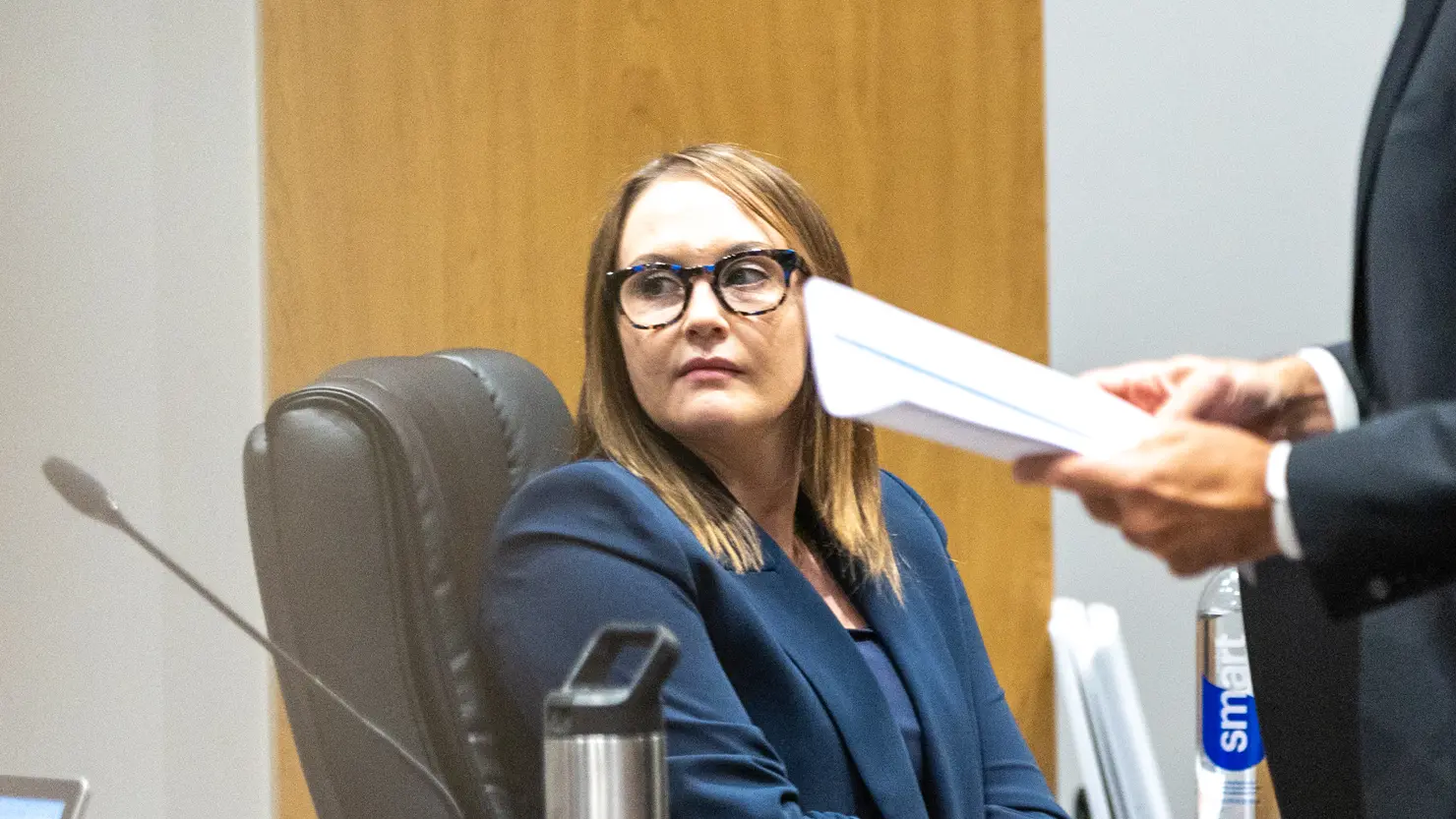
The case began quietly in 2023, when Katie Rinderle a fifth-grade teacher at Due West Elementary School read My Shadow Is Purple, a book centered on gender identity, to her students. What might have once gone unnoticed instead sparked concern from parents and triggered a review under Georgia law.
From there, the situation escalated quickly.
A Timeline of Escalation
- 2023: A parent complaint leads to an investigation into whether classroom instruction violated state guidelines on age-appropriate content.
- August 2023: The Cobb County Board of Education votes 4–3 to terminate Rinderle’s employment, overriding a tribunal recommendation for a lesser penalty.
- Late 2023 – 2024: Appeals are filed, and the case begins drawing attention from national advocacy groups.
- February 2024: The Georgia State Board of Education upholds Rinderle’s termination.
- 2024: A lawsuit is filed in federal court, challenging Cobb County’s policies and the firing itself.
- March 2026: The Georgia Court of Appeals upholds the Board’s decision, effectively ending the legal challenge at the state level.
What started as a local personnel matter became something much bigger.
Related Articles:
- Termination of Cobb Teacher Stands After Activist Lawsuits Fail, Taxpayers Left With the Bill
- Radical SPLC Defends Fired Cobb Teacher Who Pushed Gender Ideology on 5th Graders
- Superior Court Upholds Cobb County School Board’s Termination of Teacher for Policy Violation
- Cobb County Becomes Battleground Over Trump’s Executive Order on School Books
- Lawfare in Cobb, Taxpayers Foot The Bill for Democrat Led Lawsuits on Cobb School Board Republicans
Enter the SPLC
The Southern Poverty Law Center (SPLC) took a leading role in the case, helping represent Rinderle and framing the issue as part of a broader fight against what it calls “classroom censorship.”
On its website and in public statements, the SPLC positioned the lawsuit as a defense of teachers and students, arguing that policies like those in Cobb County restrict speech and discriminate.
But the courtroom outcome tells a different story.
After multiple levels of review, the courts consistently sided with the school system, culminating in the Georgia Court of Appeals decision affirming that Cobb County acted within its authority.
More Than a Lawsuit
The SPLC’s involvement in Cobb County reflects a broader strategy that goes beyond the courtroom.
The organization has built a national presence not just through litigation, but through coordinated advocacy efforts that include:
- Legal challenges to school districts and local governments
- Media campaigns shaping public perception of education policy
- Political influence, including supporting aligned candidates and causes
- Digital platforms and messaging efforts aimed at local communities
In recent years, organizations aligned with SPLC’s mission have also engaged in election-related activity, building political infrastructure, supporting candidates, and influencing school board races across the country.
Big Money, National Reach
The SPLC operates with significant financial resources, reporting hundreds of millions of dollars in assets and raising well over $100 million annually in recent years.
That level of funding allows sustained campaigns legal, political, and media-driven. Targeting local governments, including school systems like Cobb County.
And while the SPLC has secured wins in some cases, it has also faced notable defeats.
Wins, Losses, and the Cobb Outcome
Like many national advocacy organizations, the SPLC has a mixed record:
- Wins: Cases involving student rights and discipline policies, including rulings in Georgia appellate courts
- Losses: High-profile education cases, including the Cobb County teacher case, where courts repeatedly upheld local authority
The Cobb decision stands out because it reinforces a fundamental principle: elected school boards not outside organizations, are responsible for setting policy in their districts.
The Bigger Question for Cobb
At its core, this case raises a question that goes beyond one teacher or one book:
Who decides what happens in Cobb County classrooms?
For the Board of Education, the mission is straightforward, educate students, support teachers, and maintain high academic standards.
But cases like this show how quickly local decisions can draw national attention, and national opposition.
When organizations with vast resources engage in sustained legal and political battles, it creates pressure that extends far beyond a single classroom.
Final thoughts from some educational advocates
The Georgia Court of Appeals decision brings closure to this case, but not to the broader debate.
What it does make clear is this: Cobb County’s elected leaders have both the authority, and the responsibility, to make decisions for their schools.
And despite years of legal challenges, that authority remains intact.