
Georgia House Republicans Propose Property Tax Elimination: Promise and Prudence
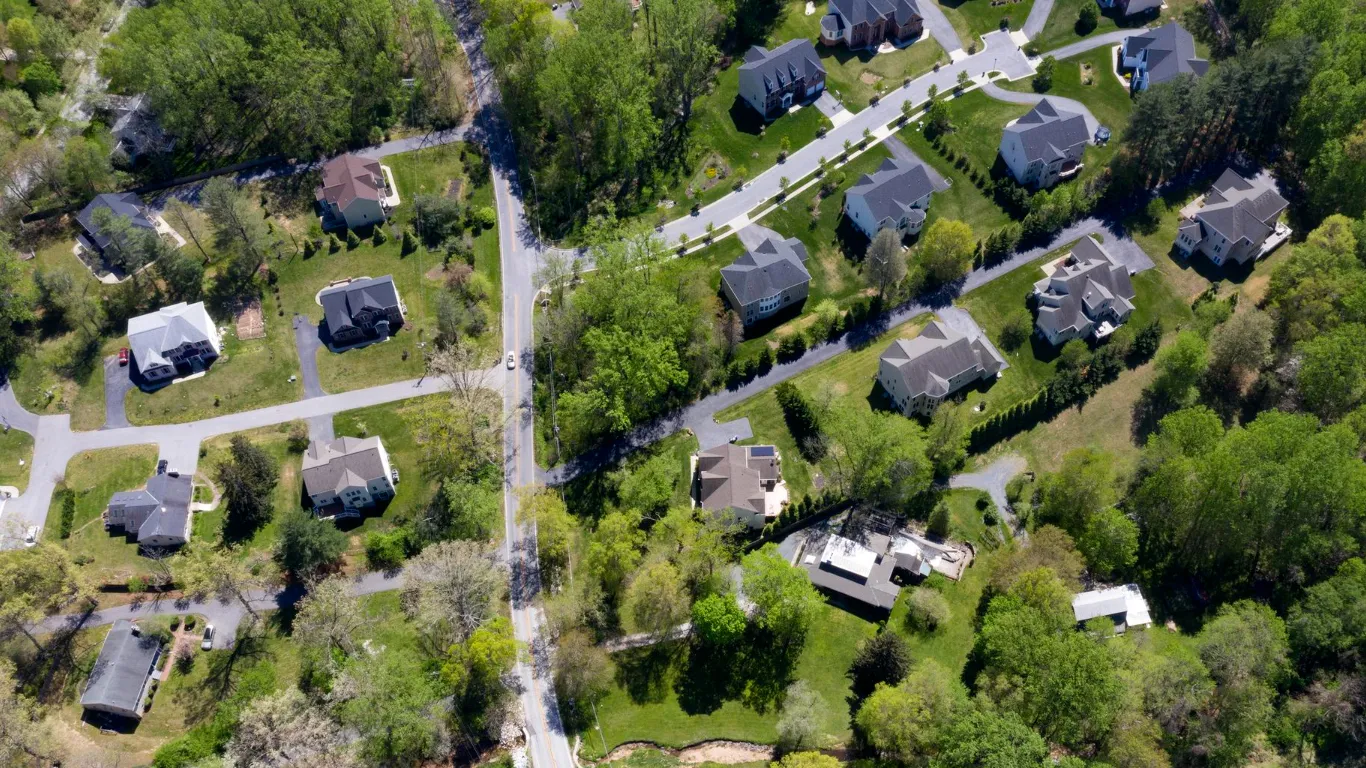
In a bold move that could reshape how local governments are funded in Georgia, House Republicans have proposed a sweeping plan to eliminate property taxes on primary residences by 2032. Billed as historic and long overdue, the legislation is drawing praise from fiscal conservatives while also raising reasonable concerns about its long-term impact on counties, cities, and public schools.
At the heart of the plan is a 100% homestead exemption, a complete phaseout of property taxes for Georgia homeowners on their primary residence. Until that exemption takes full effect, the current homestead exemption would increase gradually over several years, giving taxpayers a bit more breathing room each year.
“Property taxes across Georgia have risen at an unsustainable rate,” said House Speaker Jon Burns, a Newington Republican. “Skyrocketing property values are pushing tax bills higher and higher, placing an unfair and unsustainable burden on homeowners throughout our great state.”
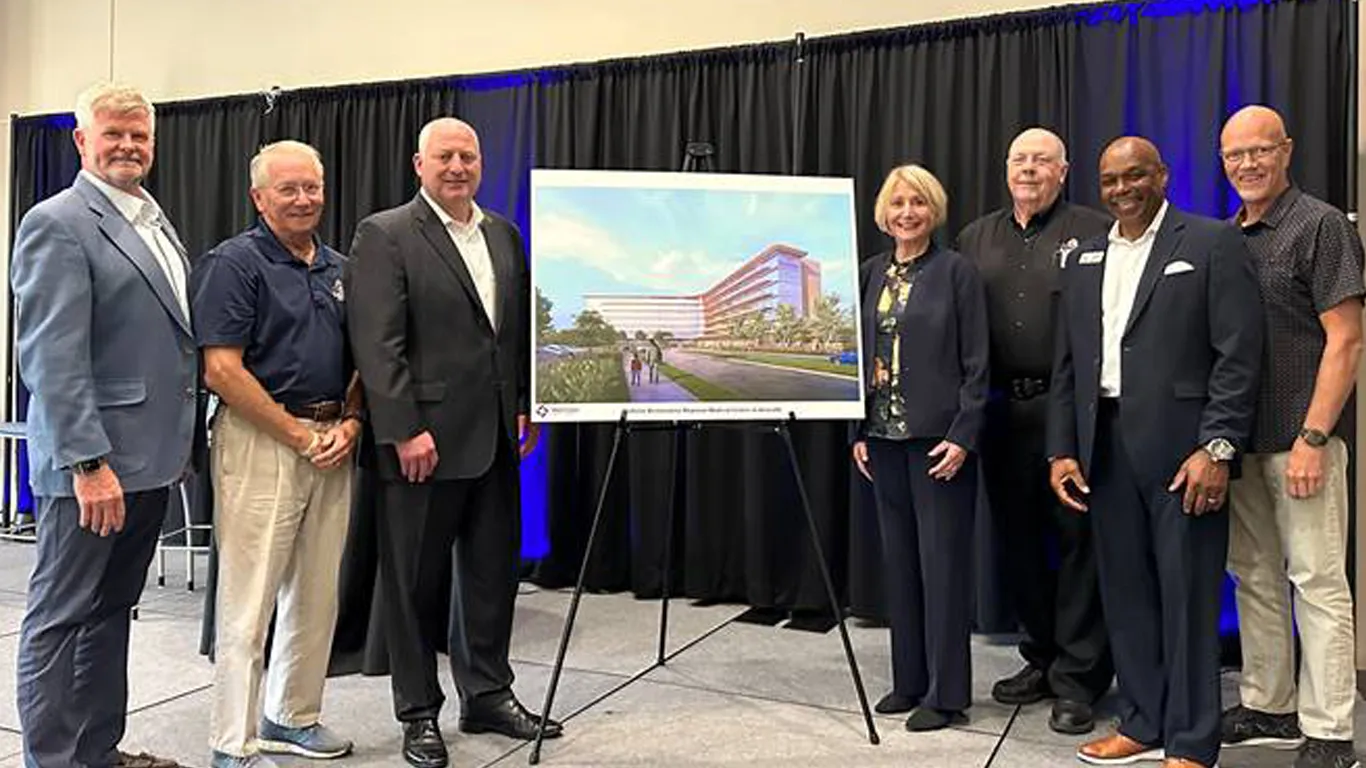
Burns unveiled the plan this week at a press conference at the State Capitol, joined by fellow Republicans who have thrown their support behind the legislation. The initiative requires a constitutional amendment, meaning it will need not just two-thirds support in both the House and Senate, but also approval from Georgia voters.
The resolution for the amendment, House Resolution 1114, has already been filed, though enabling legislation is still to come.
The Big Picture: Relief for Homeowners, Revenue Questions for Counties
For Georgia families watching their tax bills grow alongside surging home values, the proposal offers potential relief, and a philosophical shift. The burden of funding local services would move away from homeowners and toward broader-based consumption taxes like sales taxes, plus service-specific fees.
That shift, however, is not without consequences.
The Association County Commissioners of Georgia (ACCG) estimates that eliminating property taxes for homesteads could result in at least $5 billion in lost revenue for local governments. While the plan allows counties to raise sales taxes or impose fees to make up the difference, local officials caution that not all communities are equally equipped to do so.
“Some counties will be able to adapt more easily than others,” said Clint Mueller, deputy director of ACCG. “Others, especially bedroom communities with less commercial activity, could find themselves facing difficult choices.”
Under current law, Georgia counties can raise their local sales tax rates only up to a maximum of 5%, on top of the state’s 4% rate. In communities already nearing that cap, the options to replace lost property tax revenue could be limited, potentially leading to cuts in services or increased fees elsewhere.
Protecting Taxpayers While Ensuring Stability
Supporters of the plan acknowledge the complexity of the transition, but maintain that homeowners will ultimately come out ahead. Rep. Shaw Blackmon, a Bonaire Republican and chair of the House Ways and Means Committee, has been tasked with guiding the measure through the legislative process.
“We see this as something that hopefully everybody, local, state, can come together on,” Blackmon said. “Roll up our sleeves and get some good work done for the taxpayers.”
The proposal also includes a cap on how much local governments can increase property tax revenue on non-exempt properties, such as commercial real estate or second homes. That cap is set at 3% annually, a safeguard against runaway local taxation for those who will still be on the hook.
Another feature of the package is a proposed one-time tax relief grant, similar to last year’s program that returned roughly $500 to Georgia homeowners. That initiative cost the state about $850 million, and a second round is being considered, though no funding has yet been allocated.
Caution from Local Leaders and Education Advocates
While the long-term goal is commendable, lifting an increasingly heavy burden from Georgia families, several leaders are urging lawmakers to proceed with care.
Rep. Chas Cannon, a Moultrie Republican who also serves as county administrator in Colquitt County, emphasized the challenge of shifting a decades-old system of local government funding.
“The way we do things has been around for a long time,” Cannon noted. “It’s going to take very complicated steps to kind of unwind that.”
Democrats, while not outright opposing the plan, are signaling a wait-and-see approach. Rep. Bryce Berry, an Atlanta Democrat and public school teacher, raised concerns about how the revenue shift might affect rural school districts.
“I don’t want to hamper those rural districts,” Berry said, adding that any significant cut to education funding would be unacceptable.
And it’s a fair point: property taxes are a bedrock funding source for Georgia’s public schools. While the plan outlines alternative revenue sources, such as sales taxes and service fees, the impact on school budgets, especially in lower-income counties, remains unclear.
A Step in the Right Direction, With Eyes Wide Open
There’s little doubt that Georgia families are feeling the squeeze from rising property tax bills. The legislature’s effort to reexamine how local governments are funded is timely, and from a conservative perspective, empowering taxpayers and shifting toward consumption-based revenue makes philosophical sense.
However, the devil is in the details.
The transition must be carefully managed to ensure that the promise of homeowner relief doesn’t come at the expense of essential local services or public schools. Policymakers must be honest about the trade-offs and willing to work with local governments to find sustainable, tailored solutions.
As the legislation moves forward, lawmakers would do well to remember that broad-based support ,including from voters, hinges not just on ambition, but on accountability and precision.
This could be a major win for Georgia homeowners. But getting it right means respecting the complexity of the system we’re trying to fix, not just replacing one burden with another.
Follow Cobb Voice for more updates.